Lutein and Zeaxanthin for Your Eyes: Benefits, Dose and Evidence
Short answer: lutein and zeaxanthin are the two carotenoids that build up in the macula. In AREDS2 they replaced beta-carotene in the formula for intermediate macular degeneration, and in a one-year trial they improved contrast and recovery from glare. They didn’t prevent cataracts. Leafy greens are the best everyday source.
What the evidence shows
- Macular degeneration: the AREDS2 formula uses 10 mg lutein + 2 mg zeaxanthin in place of beta-carotene
- Safer than beta-carotene: no increase in lung cancer over 10 years; beta-carotene nearly doubled it
- Visual comfort: better contrast and faster recovery from bright light after a year
- Cataracts: no overall effect
- Best food sources: kale, spinach, collards, Swiss chard, broccoli
What lutein and zeaxanthin are
Lutein and zeaxanthin are carotenoids, the pigments that color many plants. Unlike most carotenoids, they build up in the retina, concentrated in the macula, the small central area responsible for sharp vision. There they form what’s called macular pigment. The American Academy of Ophthalmology (AAO) notes they are found naturally in the retina.
Macular degeneration: the AREDS2 evidence
The strongest evidence comes from AREDS2, a large trial in people with intermediate or advanced macular degeneration (AMD). Adding 10 mg of lutein and 2 mg of zeaxanthin to the original AREDS formula didn’t further reduce progression in the main analysis. But the original formula contained beta-carotene, which was linked to more lung cancers in former smokers, and lutein and zeaxanthin turned out to be a safer substitute.
That swap is why the AREDS2 formula you see today contains lutein and zeaxanthin instead of beta-carotene. See AREDS vs AREDS2 for the full formula.
After 10 years, beta-carotene nearly doubled the risk of lung cancer, with no significant increase for lutein and zeaxanthin. Compared directly with beta-carotene, lutein and zeaxanthin were linked to a lower risk of progressing to late AMD.
Chew EY, et al. AREDS2 Report 28. JAMA Ophthalmology, 2022.
Contrast and recovery from glare
In a one-year placebo-controlled trial, daily lutein and zeaxanthin raised macular pigment and improved chromatic contrast and photostress recovery, meaning how quickly vision returns after exposure to bright light. Glare disability itself didn’t significantly change. This is the benefit most relevant to people without AMD who notice headlights or bright light bothering them; see our guide to glare and night vision.
What they don’t do
- They don’t prevent cataracts. In AREDS2, lutein and zeaxanthin had no overall effect on cataract surgery rates. See signs of cataracts.
- They don’t prevent AMD from starting. The National Eye Institute says AREDS and AREDS2 supplements don’t prevent AMD onset.
- They don’t fix presbyopia or dry eye.
The best food sources
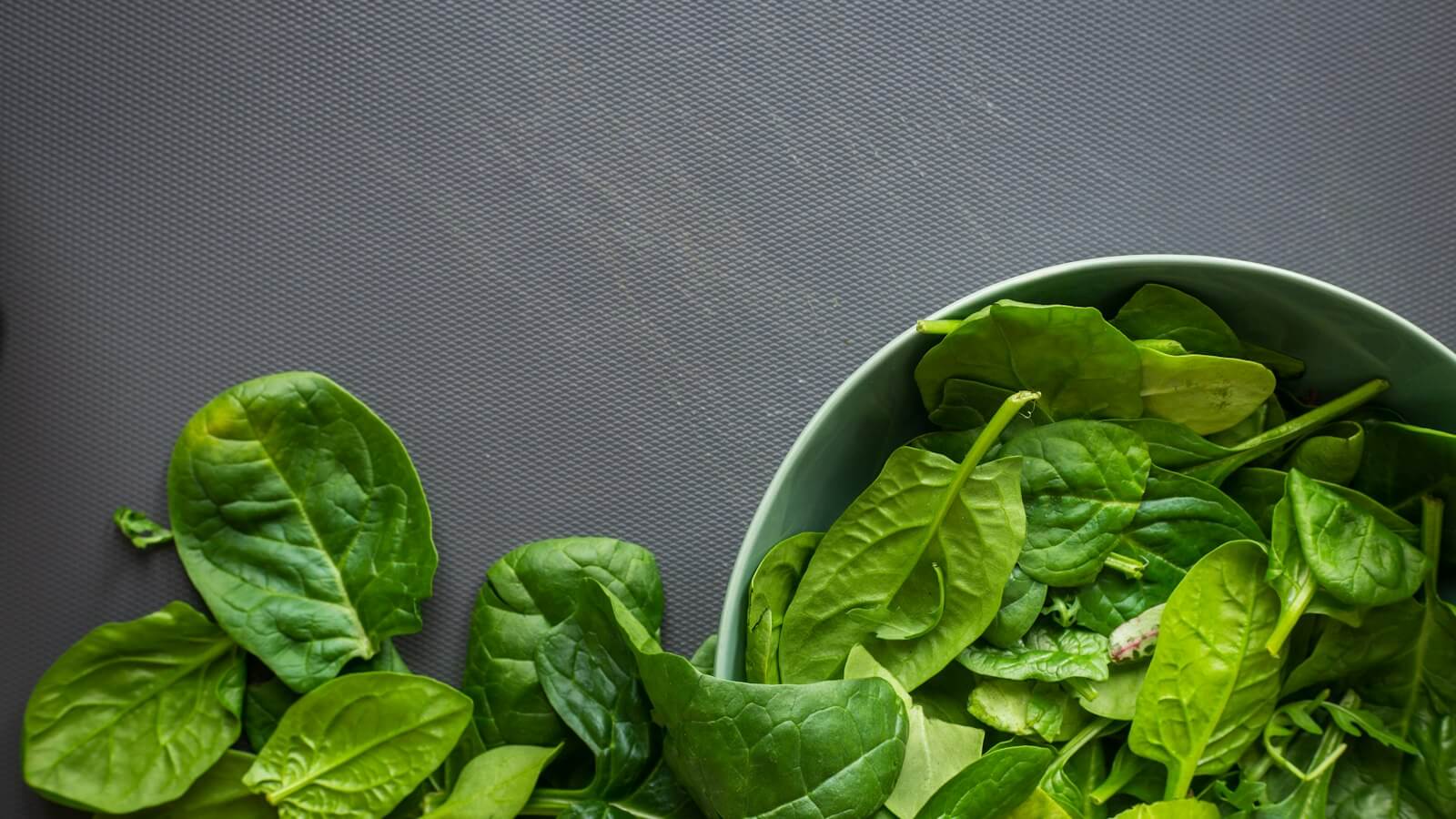
The AAO calls leafy green vegetables like kale, spinach, collard greens and Swiss chard ideal sources of lutein and zeaxanthin. Broccoli, asparagus and colorful fruits such as raspberries, papaya, peaches and mangoes also contain them. For most people without AMD, a diet rich in these foods is the foundation; the AAO recommends AREDS2 supplements specifically for people with AMD.
Dose and who should consider a supplement
- The tested dose: 10 mg of lutein and 2 mg of zeaxanthin a day, as part of the AREDS2 formula.
- Intermediate AMD, or late AMD in one eye: ask your eye doctor about a full AREDS2 formula at the tested doses.
- Smokers and former smokers: choose lutein and zeaxanthin over beta-carotene.
- No AMD: food comes first. A supplement is an option if you want the visual-comfort benefit, but it won’t prevent AMD.
Supplements with lutein and zeaxanthin
If you want a supplement, check the label for the amounts of lutein and zeaxanthin and for beta-carotene. These are the two products that held up in our reviews. Neither publishes its lutein and zeaxanthin doses, so neither can be confirmed to match AREDS2.
Reader-supported: we may earn a commission if you buy through the links below, at no extra cost to you. It never changes a rating.
VISIVRA · 2.8 / 5
Built around lutein and zeaxanthin, plus zinc, bilberry and astaxanthin. A simpler option; its vitamin A source isn’t stated.
Check VISIVRA’s price →VisiFlora · 3.4 / 5
Lutein and zeaxanthin plus most of the other AREDS2 nutrients. Zinc is below the tested dose and it contains beta-carotene, so it suits people who have never smoked.
Check VisiFlora’s price →See them side by side in VisiFlora vs VISIVRA.
Frequently asked questions
What do lutein and zeaxanthin do for the eyes?
How much lutein and zeaxanthin should I take?
Do lutein and zeaxanthin prevent macular degeneration?
Do lutein and zeaxanthin help cataracts?
Which foods have the most lutein and zeaxanthin?
Are lutein and zeaxanthin safer than beta-carotene?
The bottom line
Lutein and zeaxanthin are the best-supported carotenoids for eye health: the safer choice in the AREDS2 formula for macular degeneration, with some evidence for better contrast and glare recovery. They won’t prevent AMD or cataracts. Start with leafy greens, and if you choose a supplement, look for the doses on the label and avoid beta-carotene if you smoke or used to.
This article is for informational purposes and isn’t a substitute for medical advice. Talk to an eye care provider before starting any supplement, especially if you have diagnosed AMD or smoke.
Sources
- Age-Related Eye Disease Study 2 Research Group. “Lutein + zeaxanthin and omega-3 fatty acids for age-related macular degeneration.” JAMA, 2013.
- Chew EY, et al. “Long-term outcomes of adding lutein/zeaxanthin and ω-3 fatty acids to the AREDS supplements on age-related macular degeneration progression: AREDS2 report 28.” JAMA Ophthalmology, 2022.
- Hammond BR, et al. “A double-blind, placebo-controlled study on the effects of lutein and zeaxanthin on photostress recovery, glare disability, and chromatic contrast.” Investigative Ophthalmology & Visual Science, 2014.
- AREDS2 Research Group. “Lutein/zeaxanthin for the treatment of age-related cataract: AREDS2 randomized trial report no. 4.” JAMA Ophthalmology, 2013.
- National Eye Institute. “About AREDS and AREDS2.”
- American Academy of Ophthalmology. “Diet, Nutrition, and Eye Health Supplements.”
Photo: Louis Hansel / Unsplash