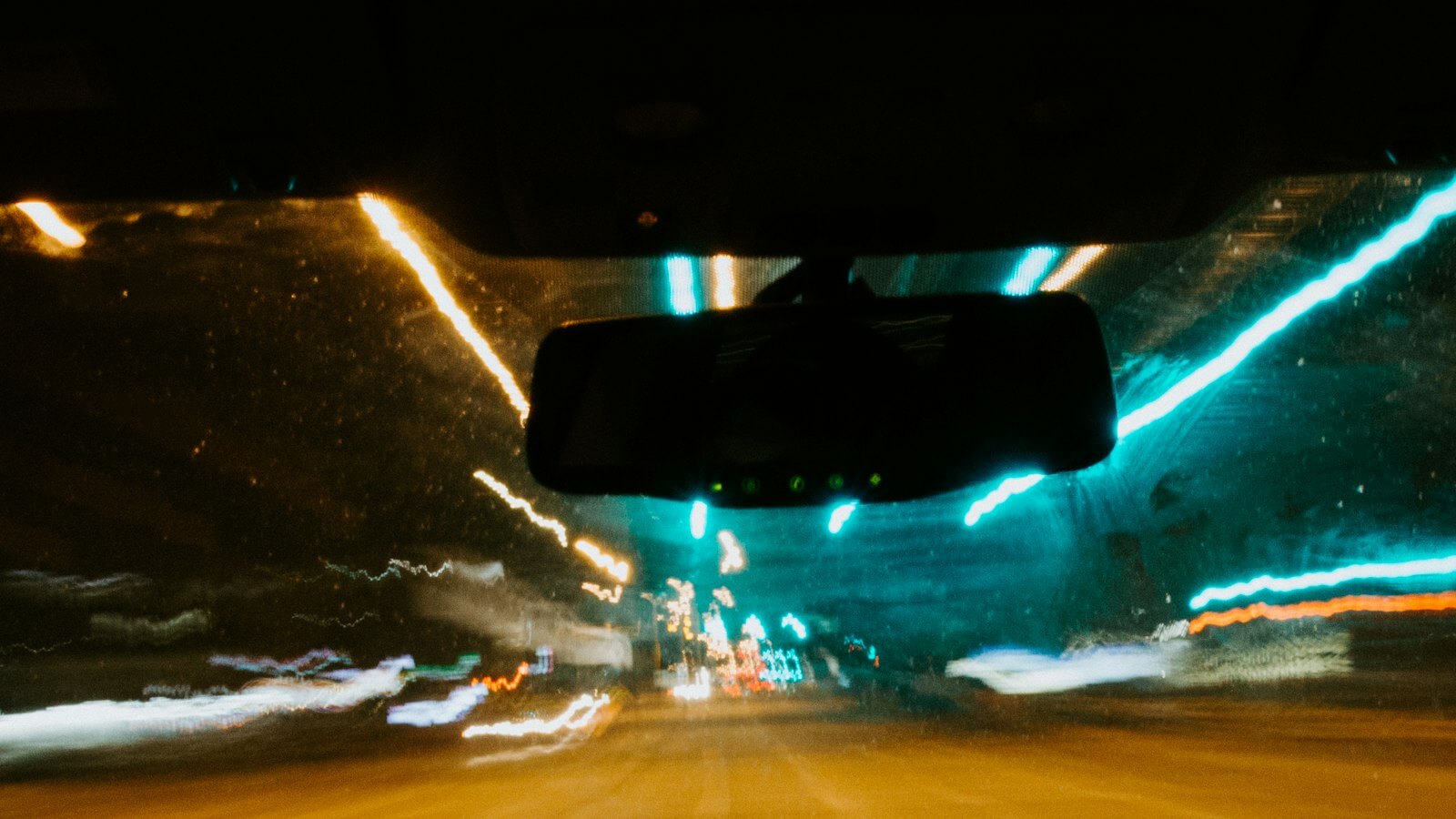
Trouble Seeing at Night or With Glare? Causes and What Helps
Short answer: some loss of night vision is a normal part of aging, but more glare and trouble driving at night is often an early sign of cataracts. What helps is practical: an eye exam, an updated prescription and clean glass. Yellow “night driving” glasses make it worse.
What helps (and what doesn’t)
- Get an eye exam: trouble seeing at night can be one of the first signs of cataracts
- Keep your glasses and windshield clean, inside and out
- Have your prescription checked regularly
- Not recommended: yellow or tinted night-driving glasses
- Vitamin A only helps if you’re deficient, which is rare in the U.S.
Why night vision fades
The American Academy of Ophthalmology (AAO) notes that some decline in night vision is a natural part of aging. It also says there are no home treatments or exercises that improve night vision. The way to protect it is to find and treat whatever is behind it, and several of the common causes are very treatable.
Common causes of poor night vision and glare
- Cataracts. The AAO says trouble seeing or driving at night can be one of the first symptoms. Cataracts can make vision dim and increase glare, halos or streaks around headlights and streetlights. Surgery replaces the cloudy lens.
- An outdated prescription. Uncorrected nearsightedness makes night vision blurry, just like daytime vision.
- Macular degeneration (AMD). The National Eye Institute (NEI) lists trouble seeing in low light as a possible sign of intermediate AMD.
- Glaucoma, which affects both daytime and nighttime vision as parts of the retina stop working.
- Past laser eye surgery (LASIK or PRK), which can cause more glare or halos at night.
- Vitamin A deficiency, where night blindness is one of the first signs, though it’s rare in the U.S.
For daytime blurriness too, see our guide to blurry vision after 50.
Safer night driving
An ophthalmologist writing for the AAO says these simple steps address most night vision concerns:
- Clean your windshield inside and outside. The inside is the side people forget.
- Keep wipers in good condition and wipe road grime off your headlights.
- Keep your glasses clean and have your prescription checked regularly.
If night vision problems persist after that, see an ophthalmologist, since they can point to cataracts or glaucoma.
What doesn’t help: yellow night-driving glasses
Yellow or tinted “night driving” glasses promise less glare, but they work by letting less light into your eyes. At night, that makes it harder to see, not easier. The AAO doesn’t recommend them, and a study it highlighted found yellow lenses didn’t help drivers spot pedestrians at night or reduce problems with headlight glare.
Vitamin A and night blindness
Night blindness is one of the first signs of vitamin A deficiency, which is why vitamin A is often marketed for night vision. But the NIH Office of Dietary Supplements notes that true deficiency is rare in the U.S., because most people get enough from food. Taking more than you need doesn’t sharpen night vision, and too much preformed vitamin A from supplements can be harmful.
If a vision supplement lists “vitamin A” as beta-carotene, smokers and former smokers have an extra reason for caution: beta-carotene was linked to higher lung cancer risk in smokers, which is why the AREDS2 formula dropped it. More in our guide to AREDS vs AREDS2.
Where a supplement fits
No supplement will clear a cataract or restore night vision. Bilberry, the herb most often sold for night vision, didn’t hold up: the more rigorous placebo-controlled trials were negative.
What has some evidence is narrower. Lutein and zeaxanthin, taken daily for a year, improved how quickly the eyes recovered from bright light and improved contrast, although glare disability itself didn’t significantly change. If recovering after oncoming headlights is your main complaint, that’s the ingredient pair with evidence. These two products contain it; neither publishes all its doses.
Reader-supported: we may earn a commission if you buy through the links below, at no extra cost to you. It never changes a rating.
VISIVRA · 2.8 / 5
Built around lutein and zeaxanthin. It also contains bilberry and a “vitamin A” of unstated source; ask the seller before buying if you smoke or used to.
Check VISIVRA’s price →VisiFlora · 3.4 / 5
Lutein and zeaxanthin plus most of the AREDS2 nutrients. It includes beta-carotene, so it suits people who have never smoked.
Check VisiFlora’s price →Compare them in VisiFlora vs VISIVRA.
Frequently asked questions
Why is my night vision getting worse?
Are halos around lights a sign of cataracts?
Do night-driving glasses work?
Can vitamin A improve night vision?
Does bilberry help night vision?
When should I see an eye doctor about night vision?
The bottom line
Worse night vision and more glare are common after 50, and the most frequent culprit, cataracts, is very treatable. Start with an eye exam, an updated prescription and clean glass. Skip the yellow glasses and extra vitamin A. If quick recovery from headlight glare is your concern, lutein and zeaxanthin are the supplement ingredients with some evidence.
This article is for informational purposes and isn’t a substitute for medical advice. If your vision changes, especially suddenly, see an eye care provider.
Sources
- American Academy of Ophthalmology. “Night Vision.”
- American Academy of Ophthalmology. “Night Driving Glasses May Hurt, Not Help.”
- American Academy of Ophthalmology. “No evidence to support benefits of yellow lens night-driving glasses.”
- National Eye Institute. “Cataracts.”
- National Eye Institute. “Age-Related Macular Degeneration.”
- NIH Office of Dietary Supplements. “Vitamin A and Carotenoids.”
- Canter PH, Ernst E. “Anthocyanosides of Vaccinium myrtillus (bilberry) for night vision: a systematic review of placebo-controlled trials.” Survey of Ophthalmology, 2004.
- Hammond BR, et al. “A double-blind, placebo-controlled study on the effects of lutein and zeaxanthin on photostress recovery, glare disability, and chromatic contrast.” Investigative Ophthalmology & Visual Science, 2014.
Photo: Gabe Pierce / Unsplash